Making the Hip Hop economy sustainable.
It is time for South African Hip Hop practitioners to access opportunities and share information.
They say that Hip Hop is dead. They say that it is not relevant anymore. They say that it has no unity. However, we say that is not true.
HISTORY: SOUTH AFRICAN HIP HOP
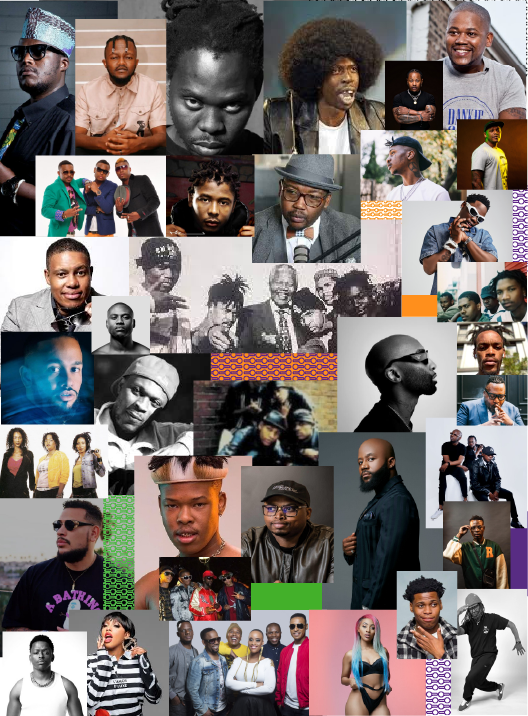
South African hip-hop emerged in the 1980s and has since become a powerful voice for expression, identity, and activism. Initially influenced by the global hip-hop movement, it found resonance in the struggles of the youth, who related to hip-hop’s themes of resistance and social commentary. Early pioneers such as Prophets of Da City (POC) and Black Noise used hip-hop to address apartheid-era issues, blending political messages with African rhythms and languages, thus creating a distinct South African style.
The 1990s and early 2000s marked the rise of local hip-hop collectives and an expansion of the genre, with artists integrating elements of kwaito—a uniquely South African sound characterized by slower, house-influenced beats and township culture. This era saw the rise of iconic figures like Amu, HHP, and Skwatta Kamp, who brought vernacular raps and township slang to mainstream audiences, pushing the boundaries of what hip-hop could represent in South Africa.
Since the 2010s, South African hip-hop has gained international attention, with artists like AKA, Nasty C, and Cassper Nyovest blending trap and modern hip-hop sounds while representing the country on global stages. The genre remains a dynamic force, influencing and reflecting the cultural landscape, from urban youth movements to fashion, activism, and social justice initiatives. Today, South African hip-hop continues to evolve, carrying forward its legacy of resilience, creativity, and cultural pride.
On a mission to change thousands of lives through the Hip Hop Economy.
We are the only Hip Hop initiative that combines education, cultural preservation, and transparency to empower marginalized communities, creating a sustainable, global movement of creative expression and social unity.
For Hip Hop artists and enthusiasts seeking social impact The Bridge is the leading Hip Hop ecosystem builder that fosters creative expression, social cohesion, and economic growth because of its unique blend of education, cultural preservation, and transparency.
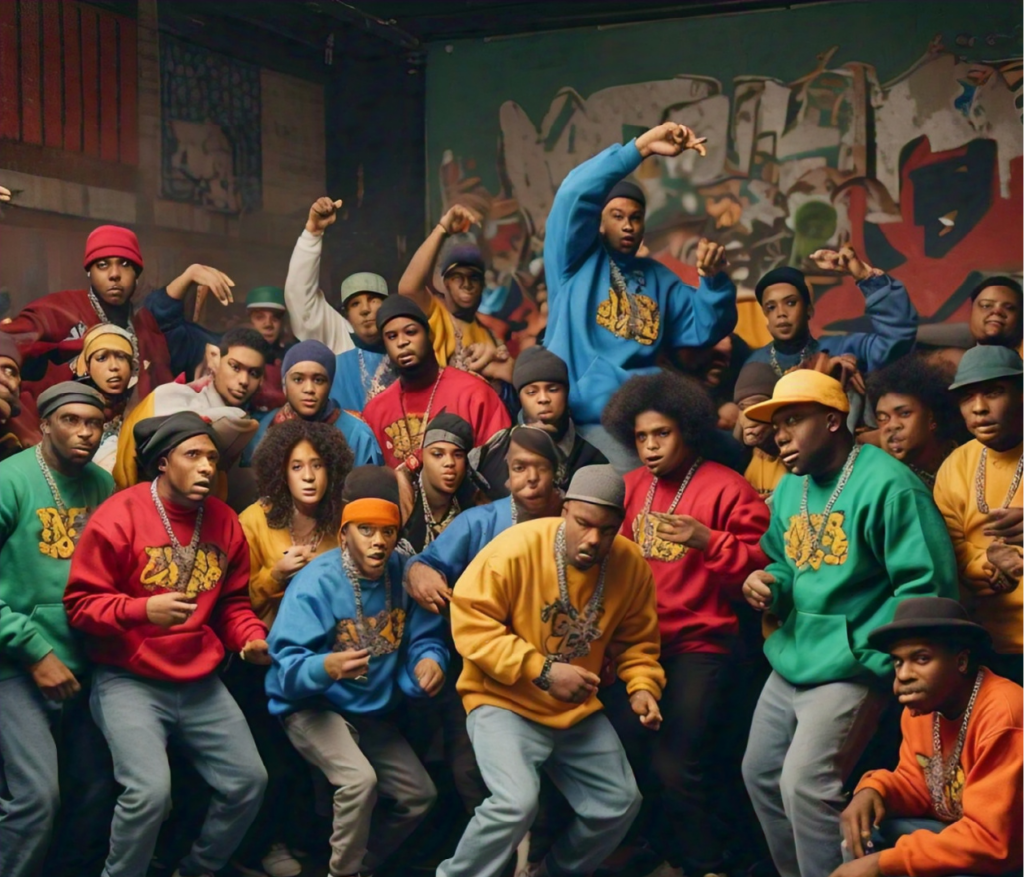
Creatives
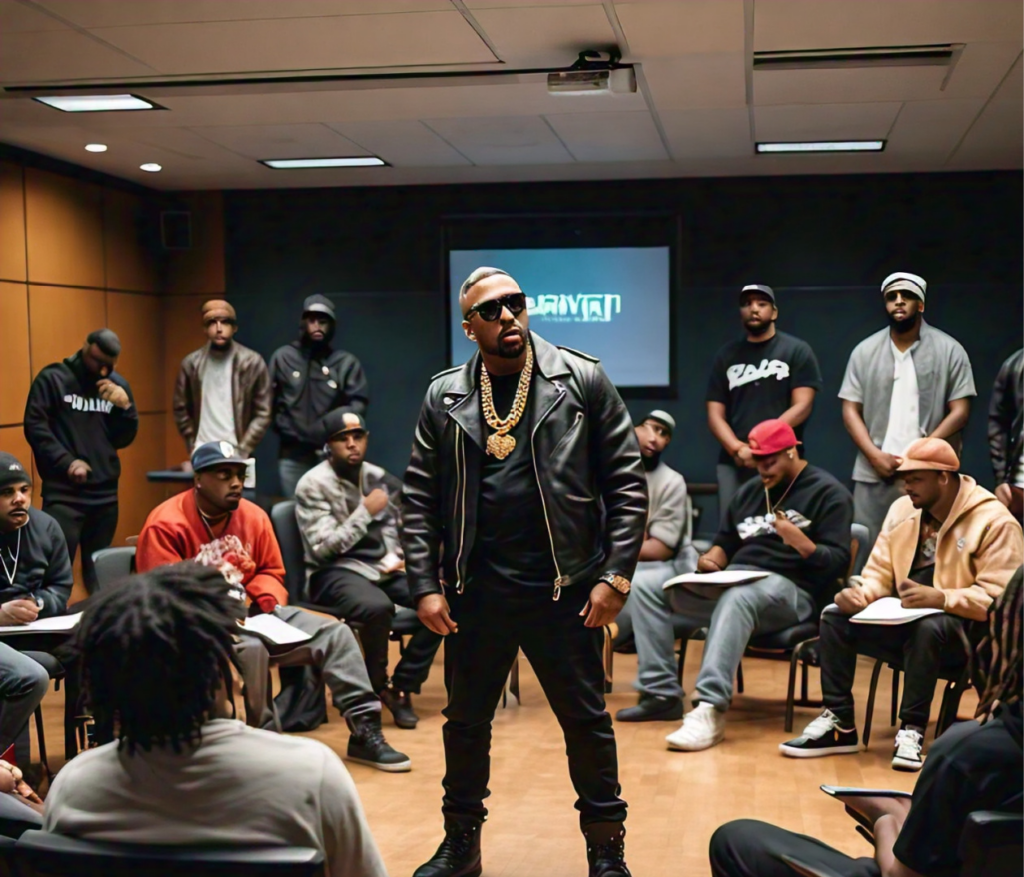
Facilitators
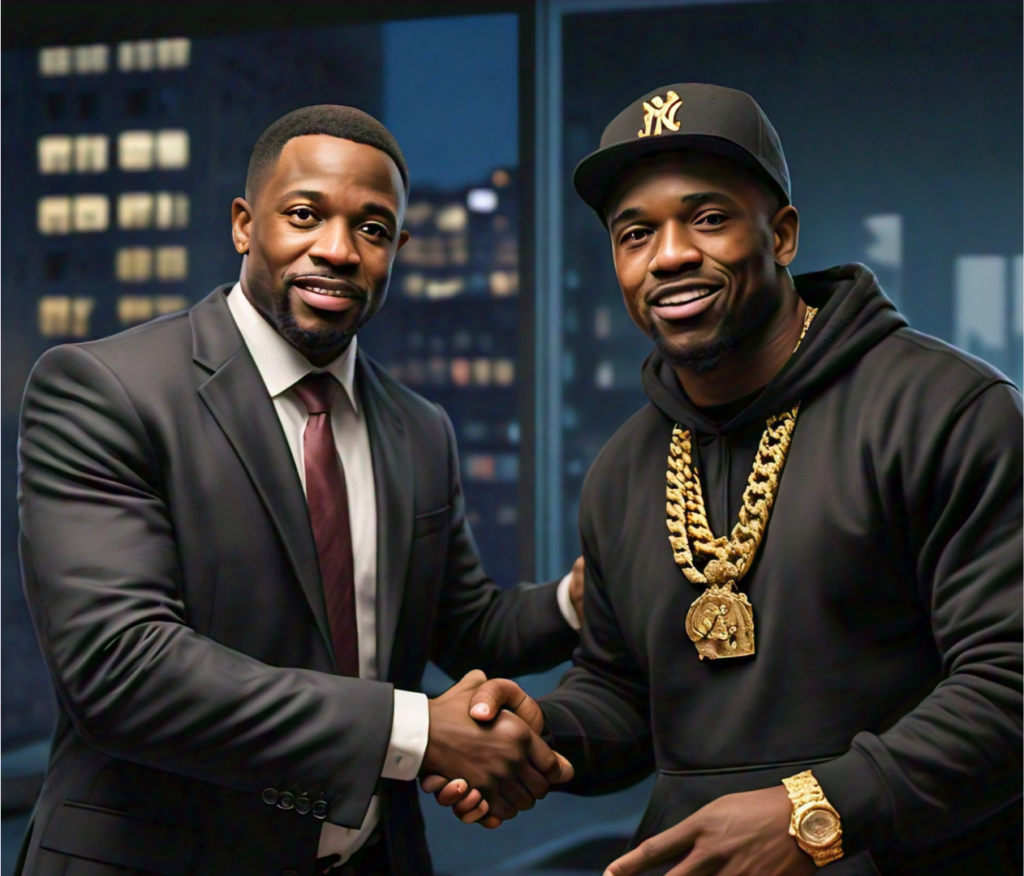
Stakeholders
We believe that empowering creative expression and unity, in Hip Hop is transformative and poweful. We do this by using collaborative education, cultural preservation, and accountable leadership. Making possible to create sustainable Hip Hop ecosystem.
-
01 - Training and Skill Development
Goal: Equip emerging talent with industry-specific skills.
Actions:
Workshops and Courses: Partner with established hip-hop artists and producers to offer skills workshops on music production, performance, branding, and social media marketing.
Youth Programs: Create training programs in collaboration with schools or youth centres to introduce music and performance as career options.
Digital Skills: Incorporate digital music production and online content creation to enable artists to manage their own social media presence, digital marketing, and online sales.
Impact: This will foster a generation of skilled professionals who can contribute to both local and international music scenes.
-
02 - Infrastructure Development
Goal: Develop physical and digital spaces for hip-hop to thrive.
Actions:
Recording Studios: Set up community-based studios in key urban centers like Johannesburg, Cape Town, and Durban where artists can record at low or no cost.
Performance Venues: Partner with community centers and local businesses to create or enhance performance spaces specifically for hip-hop events.
Online Platforms: Develop an online portal to showcase and promote South African hip-hop artists, allowing them to reach both national and global audiences.
Impact: Having access to production and performance spaces will give artists opportunities to create quality content and reach broader audiences. -
03 - Artist Promotion and Marketing
Goal: Increase visibility for local talent and South African hip-hop culture.
Actions:
Social Media Campaigns: Launch campaigns on platforms like Instagram, TikTok, and YouTube to highlight South African hip-hop artists.
Hip-Hop Events: Sponsor local events, battles, and showcases to provide performance platforms and engage with local communities.
Content Distribution: Partner with streaming platforms and local media to distribute and promote South African hip-hop content, including creating playlist placements and featured artist sections.
Impact: By raising the profile of South African hip-hop, artists will gain recognition, potentially attracting collaborations, sponsorships, and global interest. -
04 - Job Creation and Support Roles
Goal: Provide employment and internship opportunities within the hip-hop industry.
Actions:
Direct Employment: Hire sound engineers, event coordinators, marketing professionals, and videographers to support the infrastructure and event initiatives.
Internships and Apprenticeships: Establish hands-on training opportunities in production studios and during events to help young people gain practical skills.
Community Engagement Staff: Employ individuals to promote hip-hop in schools, lead workshops, and organize community events, creating a bridge between the industry and youth.
Impact: This will create both permanent and temporary jobs, supporting local economies and building a sustainable industry workforce. -
05 - Monitoring and Evaluation
Goal: Measure impact and ensure the effectiveness of the program.
Actions:
KPIs: Track success metrics like the number of artists supported, jobs created, and audience reach.
Feedback Mechanisms: Collect feedback from artists, event attendees, and community leaders to adjust initiatives based on actual needs.
Annual Reports: Produce public reports to showcase the program's impact and attract potential investors or additional funding.Impact: Ensures transparency, measures progress, and identifies areas for improvement, building credibility with stakeholders.
This structured spending plan can create a lasting and transformative impact on South Africa's hip-hop industry by building skills, infrastructure, visibility, and sustainable job opportunities. Each category aligns with the mission to empower artists and communities while growing the cultural and economic footprint of hip-hop in South Africa.
Projects
Our Partners